

Identifying High Quality Coffee Beans: A 2026 Guide
Table of Contents
- What Makes Coffee Beans High Quality
- Arabica vs Robusta Quality Differences
- Coffee Roast Date Importance and Freshness
- Single Origin vs Blend Coffee Explained
- Visual and Sensory Inspection Techniques
- Processing Methods and Their Impact on Quality
- Packaging, Transparency, and Ethical Sourcing
- How to Store High Quality Coffee Beans
- Frequently Asked Questions
Last Updated: October 1, 2026
What Makes Coffee Beans High Quality
High quality coffee beans are distinguished by their origin, processing method, roast profile, and freshness, determined by attention at every stage from growth to cup.
A bean grown at higher altitude in volcanic soil develops more complex acidity and flavor clarity. Careful processing, whether washed, natural, or honey-processed, expresses terroir distinctly. Optimal roasting and consumption within weeks delivers the intended aroma and body.
The most overlooked factor is freshness. Coffee beans begin losing flavor compounds immediately after roasting. A bag roasted six months ago will taste flat compared to one roasted two weeks prior, making roast date the single most important variable.
Arabica vs Robusta Quality Differences
Why Arabica Commands Premium Prices
Arabica represents roughly 60% of global coffee production and commands higher prices for superior flavor complexity. Growing at 2,000-6,000 feet elevation, cooler temperatures slow bean development, allowing sugars and acids to create nuanced tasting notes, berry, citrus, chocolate, floral, that specialty enthusiasts pursue.
Arabica's broader flavor range means the same varietal grown in different regions expresses distinct characteristics, Colombian, Ethiopian, and Kenyan Arabicas taste noticeably different.
When Robusta Makes Sense
Robusta beans are hardier, grow at lower elevations, and contain roughly twice the caffeine of Arabica with heavier body and earthy notes. While rarely appearing as single-origin specialty coffee, Robusta plays a crucial role in espresso blends, where its oils and compounds create crema.
Coffee Roast Date Importance and Freshness
The roast date is the single most important piece of information on a coffee bag. Coffee is freshest between 5 and 30 days after roasting, the beans have degassed enough to brew cleanly but retain volatile aromatic compounds.
Single Origin vs Blend Coffee Explained
Understanding Terroir and Origin
Single-origin coffee comes from one specific farm, region, or country, determining the baseline flavor profile. Ethiopian coffee tends toward fruity and floral notes; Brazilian toward chocolate and nuts; Kenyan toward bright acidity and berry flavors.
Visual and Sensory Inspection Techniques
Bean Uniformity and Color Assessment
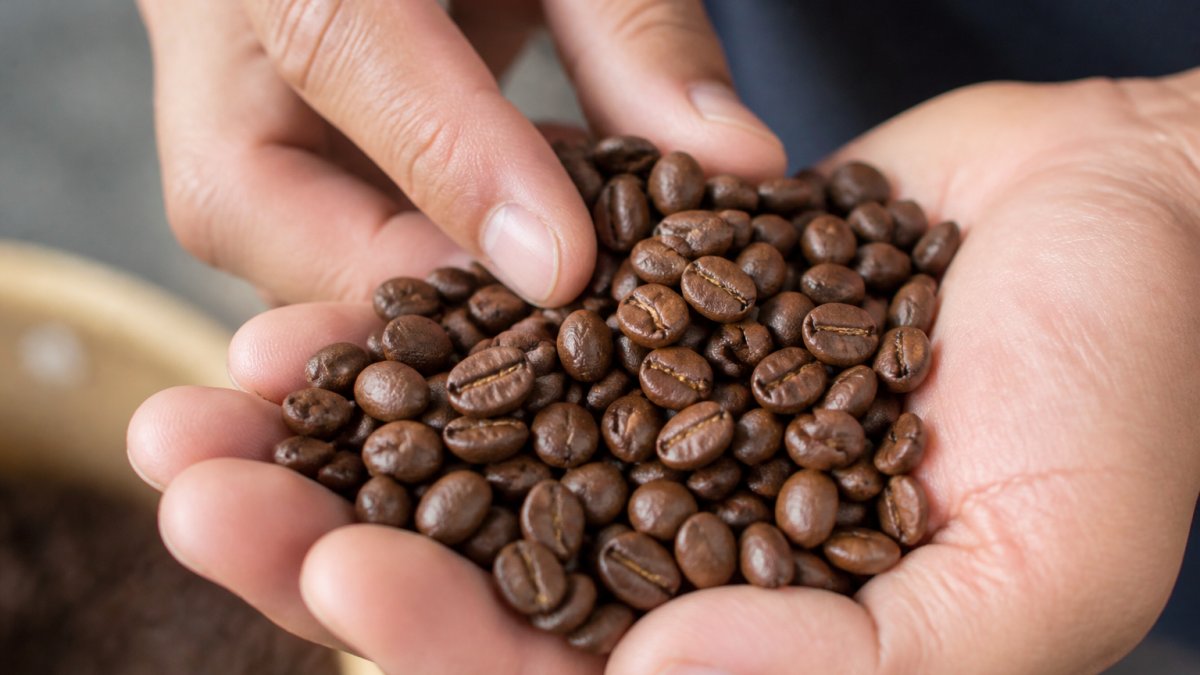
High quality beans are uniform in size, shape, and color, indicating careful sorting and processing. Beans that vary widely suggest less rigorous quality control.
Performing a Home Cupping Evaluation
You can perform a simplified home cupping to assess beans before committing to a full bag.
The basic cupping process:
-
Grind and smell (dry fragrance). Grind 0.5 ounces of whole beans coarsely and immediately smell the grounds. Quality coffee should have a distinct, inviting aroma, fruity, floral, chocolatey, or earthy depending on origin. Musty, flat, or stale smells indicate age or poor roasting.
-
Add hot water (wet aroma). Pour 6 ounces of water at 195-205°F over the grounds. Wait 4 minutes, break the crust, and smell deeply. The wet aroma should be richer and more complex than the dry aroma. Quality beans reveal layered scents; poor quality coffee smells one-dimensional or musty.
-
Taste and assess (flavor and mouthfeel). After cooling slightly (about 2 minutes), slurp a small amount, drawing air through it to aerate and coat your palate. Notice:
- Flavor clarity: Can you identify the tasting notes listed on the bag? A quality coffee tastes like what it promises. A chocolate note should taste like cocoa, not vague sweetness.
- Acidity: Does the coffee taste bright and lively, or flat and dull? Acidity is a sign of freshness and quality, not sourness. High-altitude beans have more pronounced acidity.
- Body: Does the coffee feel heavy or light on your tongue? Body comes from oils and dissolved solids. Washed coffees feel lighter; natural processed coffees feel heavier.
- Finish: After swallowing, does the flavor linger pleasantly, or does it disappear immediately? A long, clean finish indicates quality.
-
Compare across samples. If you're deciding between two bags, cup them side-by-side. The differences become obvious: one will taste brighter, more complex, or more balanced. This direct comparison trains your palate and builds confidence in your choices.
Identifying Defects and Off-Flavors
A "quaker" is an underdeveloped bean that failed to mature properly. Quakers are lighter in color and taste flat or grassy when brewed. High quality coffee has very few quakers, ideally none.
Watch for these common defects:
- Black or severely discolored beans: Indicate mold, fermentation failure, or disease; taste musty or rotten.
- Broken or chipped beans: Suggest rough handling; chips expose interior to oxidation and off-flavors.
- Insect-damaged beans: Small holes indicate infestation; often result in sour or fermented flavors.
- Floaters or very light beans: Underdeveloped or diseased; taste thin and lack complexity.
- Stinker beans: Internal defects that impart harsh flavors; rare in quality lots.
Reading Tasting Notes and Aroma
Tasting notes describe expected flavors from the bean's origin, processing method, and roast level. "Chocolate, caramel, nutty" versus "fruity, floral, wine-like" suggests different sensory experiences.
Processing Methods and Their Impact on Quality
Washed, Natural, and Honey Processing
The processing method, how the coffee cherry is removed from the bean, dramatically affects flavor.
Packaging, Transparency, and Ethical Sourcing
Degassing Valves, Nitrogen Flushing, and Freshness Protection
Quality coffee bags include a one-way degassing valve that allows carbon dioxide to escape without letting oxygen in. Oxygen causes oxidation, degrading flavor and aroma. A bag without a valve is a red flag for quality.
Verifying Ethical and Transparent Sourcing
Ethical sourcing means farmers were paid fairly and worked under safe conditions. Transparent sourcing means the roaster can tell you exactly where beans came from and how they were processed.
Look for these indicators of genuine transparency:
- Named farms or cooperatives: Specific names indicate direct relationships and traceability, not vague "sourced from Colombia."
- Altitude and region specificity: "Sidama Zone, Ethiopia, 1,700-1,900 meters" shows knowledge and commitment; altitude correlates directly with quality.
- Farmer names or photos: Signal direct trade relationships and accountability.
- Lot numbers and harvest dates: Allow traceability and supply chain precision.
- Certification labels: Fair Trade, Rainforest Alliance, or direct trade certifications indicate ethical commitment.
- Traceable supply chain: Roasters can explain the path from farm to cup.
- Price transparency: Single-origin specialty coffee typically ranges $12-$18 per pound. Significantly cheaper bags suggest compromised quality or ethics.
How to Store High Quality Coffee Beans
Store beans in an airtight container in a cool, dark cabinet. Use within 4-6 weeks of the roast date for optimal flavor. Grind immediately before brewing, whole beans stay fresh longer than ground coffee because grinding exposes more surface area to oxygen.
Frequently Asked Questions
How can I tell if coffee beans are high quality just by looking at them?
High quality coffee beans show uniform size and color with minimal defects. Check for consistent medium to dark brown coloring (depending on roast level), smooth surfaces without cracks, and an absence of pale or broken beans called quakers. Single-origin beans from specialty roasters display more complexity in appearance than commodity blends. The roast date on the bag matters more than appearance alone, beans roasted within 2-4 weeks are fresher and indicate a roaster prioritizes quality.
What's the difference between arabica vs robusta quality differences in coffee?
Arabica beans produce complex, nuanced flavor profiles with higher acidity and lower body, commanding 60-70% of the global specialty coffee market. Robusta beans deliver heavier body, earthier notes, and higher caffeine content but are often used in commercial blends. For high quality specialty coffee, arabica is the standard choice. Robusta can be quality-focused when sourced from premium growers, but most specialty roasters prioritize arabica for its flavor depth and versatility across brewing methods.
Why does coffee roast date importance matter more than the expiration date?
Roast date directly indicates freshness and flavor potential. Beans peak between 5-30 days after roasting, when CO2 degassing stabilizes and flavors develop fully. An expiration date tells you when beans go stale, but roast date reveals whether you're buying beans at their optimal window. Specialty roasters print roast dates because they understand that fresher beans taste noticeably better. If a bag lacks a roast date, the roaster may be hiding older inventory, a red flag for quality.
How does single origin vs blend coffee explained differ in terms of quality and flavor?
Single-origin beans come from one specific farm, region, or country, allowing you to taste terroir and altitude's effect on flavor. Blends combine beans from multiple origins to create consistent, balanced profiles. Single-origin coffees showcase distinct tasting notes like fruity, floral, or chocolatey characteristics tied to geography. Blends offer reliability and smoothness. Neither is inherently superior, single-origin appeals to flavor explorers seeking complexity, while blends suit those preferring consistency. Far Destinations' Single Origin Favorites Sample Pack lets you experience how terroir shapes taste across different regions.
What visual signs indicate stale coffee beans?
Stale beans appear dull and lose their surface sheen, developing a chalky or grayish cast instead of rich brown color. Oiliness on bean surfaces indicates either a dark roast or potential staleness, as beans release oils as they age. Cracks, chips, or visible damage suggest poor storage or age. Beans older than 60 days post-roast lose aromatics and develop flat, muted flavors even if they look acceptable. Always check the roast date first, visual inspection alone cannot reliably determine age.
What processing method produces the highest quality coffee beans?
No single processing method is universally 'best', each produces distinct flavor profiles. Washed process coffees highlight acidity and clarity, making them ideal for light to medium roasts. Natural process beans develop fruity, wine-like characteristics with heavier body. Honey process (pulped natural) balances both, creating sweetness and complexity. Quality depends on execution: a poorly handled washed coffee underperforms a well-managed natural process bean. Far Destinations sources beans processed with care.
How do I verify that coffee beans are ethically sourced?
Look for transparency signals: specific farm names, grower cooperatives, altitude, and processing details on the bag. Certifications like Fair Trade, Rainforest Alliance, or Direct Trade indicate third-party verification of ethical practices. Ask roasters for traceability, reputable specialty roasters can name their growers and explain sourcing relationships. Far Destinations provides details about the origin of its beans. Vague terms like 'ethically sourced' without specifics are marketing; genuine transparency includes verifiable details about who grew your beans.