

Why Single Origin Coffee Varies: A Complete Guide
Table of Contents
- What Single Origin Coffee Means
- Single Origin Coffee vs Blend: Why Consistency Differs
- How Geography and Growing Conditions Shape Flavor Variation
- How Coffee Processing Methods and Taste Connect
- Harvest Timing and Seasonality in Single Origin Variation
- How to Brew Single-Origin Coffee for Consistency
- Evaluating and Verifying Single Origin Claims
- Frequently Asked Questions
Last Updated: October 12, 2026
What Single Origin Coffee Means
Single origin coffee comes from a specific farm, region, or country rather than a blend of beans from multiple sources. This distinction matters because it creates a direct link between the coffee's flavor and its specific growing environment. When you buy single origin, you're getting beans that share a common geography, altitude, processing method, and harvest season. That consistency in source is what makes single origin coffee traceable and distinctive.

At Far Destinations Coffee, we source single origin beans specifically because that traceability lets us highlight what makes each coffee unique. A single origin coffee from Ethiopia tastes different from one grown in Colombia not because one is better, but because the terroir, the combination of soil, climate, elevation, and farming practices, creates fundamentally different flavor compounds in the beans.
Single Origin Coffee vs Blend: Why Consistency Differs
Blends combine beans from multiple origins to create a consistent flavor profile regardless of what's available in any given season. A roaster can use beans from three different countries in a blend, adjusting the proportions each year to maintain the same target taste. Single origin coffee, by contrast, has no such buffer.

This is where many coffee drinkers first notice inconsistency. A single origin coffee you loved six months ago might taste noticeably different when you reorder. That's not a defect, it's the reality of working with a single source. Blends mask this by design. They smooth out the rough edges through strategic mixing.
The trade-off is real. Blends offer predictability. Single origin offers character. If you prioritize consistency above all else, a well-made blend will always be your more reliable choice.
How Geography and Growing Conditions Shape Flavor Variation
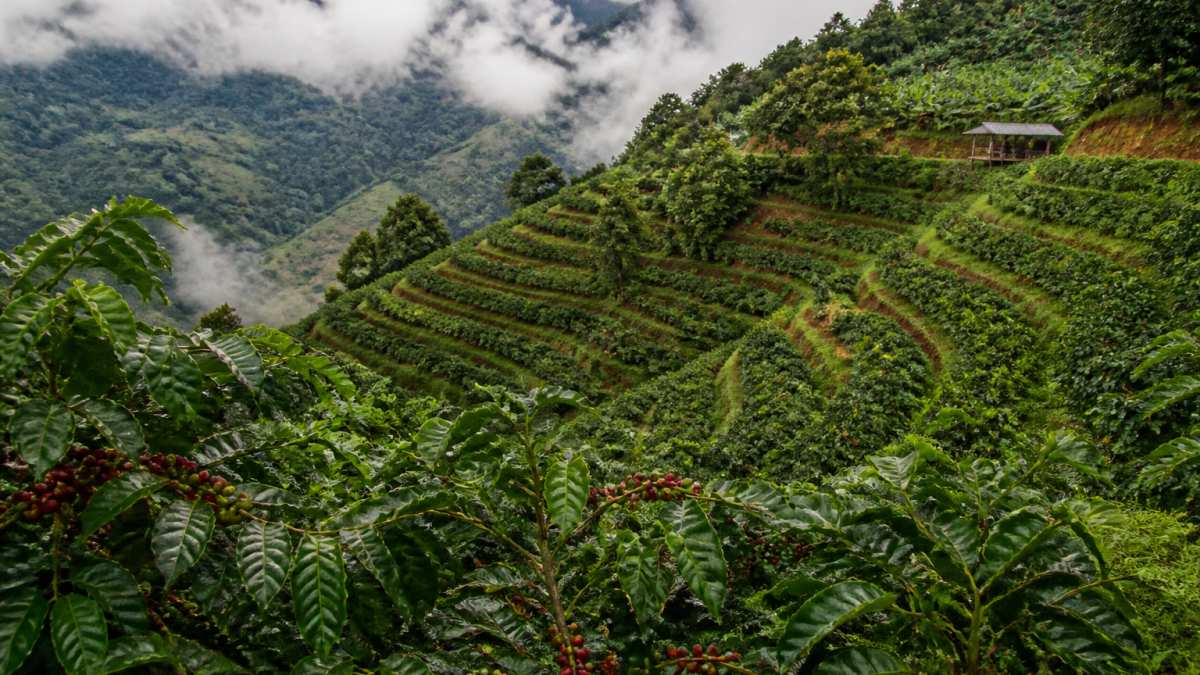
Geography is the primary driver of flavor variation in single origin coffee. Two farms growing the same coffee variety on opposite sides of a mountain can produce beans with noticeably different acidity, body, and tasting notes. The elevation alone changes how fast the coffee cherry ripens, which affects sugar development and acid concentration. Add in differences in soil composition, rainfall patterns, and temperature fluctuations, and you begin to see why single origin coffee varies so much.
Elevation and Altitude Effects
Altitude is one of the most direct levers on coffee flavor. Higher elevations mean cooler temperatures, which slow the ripening process. Slower ripening allows the coffee cherry more time to develop sugars and complex acids. Beans grown at 1,700 meters typically have brighter acidity and more refined flavors than beans from the same region grown at 1,200 meters.
Our Uganda single origin coffee grows at 1,500 to 2,500 meters elevation, which explains its floral and chocolate notes alongside mild acidity. That altitude range is what creates the conditions for those specific flavor compounds to develop. Move that same farm down 500 meters, and the coffee would taste heavier, less bright, with different acid structure. Elevation changes the chemistry of the bean before it ever reaches a roaster.
Soil, Temperature, and Rainfall
Soil type determines which minerals the coffee plant can absorb, which directly affects flavor. Volcanic loam, common in Central America and parts of Africa, produces coffee with cleaner, brighter acidity. Clay-mineral soils, found in parts of Tanzania and Honduras, tend to produce coffees with heavier body and earthier notes. The coffee plant pulls these mineral signatures into the bean, and they persist through roasting.
Temperature consistency matters as much as altitude. Coffee grows best in a narrow band, roughly 15 to 24 degrees Celsius, where the plant can develop fruit steadily without stress. Regions with stable temperatures throughout the year produce more consistent crops. Regions with dramatic temperature swings between seasons produce more variation from harvest to harvest. Rainfall patterns create similar effects. Too little water stresses the plant and concentrates flavors. Too much water dilutes them.
Terroir and Regional Characteristics
Terroir is the complete picture: elevation, soil, temperature, rainfall, and the farming practices that respond to all of these factors combined. A coffee's terroir creates its baseline flavor signature. A Kenya single origin coffee will always taste different from a Tanzania single origin coffee because their terroirs are fundamentally different, even if both are grown at similar elevations and processed the same way.

This is why regional flavor profiles exist. Colombian coffees tend toward balanced acidity with chocolate and caramel notes, a signature shaped by the country's volcanic soils, consistent rainfall, and moderate elevations. Ethiopian coffees often show bright acidity with fruity, floral notes because of their higher elevations and the indigenous heirloom varieties grown there. Brazilian coffees typically have lower acidity and heavier body because of lower elevations and clay-based soils. These patterns hold true across most farms in each region because terroir is a regional constant.
How Coffee Processing Methods and Taste Connect
After the coffee cherry is picked, how it's processed, how the fruit is removed from the bean and how the bean is dried, shapes the final flavor as much as growing conditions do. Two coffees from the same farm, same elevation, same soil, processed differently, will taste noticeably different. This is where single origin coffee varies in ways that have nothing to do with geography.
Fermentation and Drying Techniques
Washed processing removes the fruit immediately and ferments the bean in water for 12 to 48 hours, then dries it. This process tends to highlight the bean's inherent acidity and origin character. Washed coffees taste cleaner and brighter. Natural processing leaves the fruit on the bean while it dries, allowing the fruit sugars to ferment into the bean over several weeks. This creates heavier body, lower acidity, and fruity, wine-like flavors. Honey or pulped-natural processing splits the difference, some fruit stays on during fermentation and drying.
A single origin coffee processed washed will taste fundamentally different from the same coffee processed natural. The washed version emphasizes acidity and origin clarity. The natural version emphasizes sweetness and fruit. Neither is better. They're different expressions of the same bean. This is why you need to know how your single origin coffee was processed, it's as important as knowing where it grew.
Post-Harvest Impact on Final Flavor
The speed and consistency of drying affects fermentation depth and final flavor stability. Coffee dried on raised beds in the sun ferments differently than coffee dried on patios or in mechanical dryers. Raised-bed drying is slower and more controlled, which produces more complex fermentation flavors. Patio drying is faster and less controlled, which can produce inconsistent results. The skill of the farmer in managing fermentation during drying directly impacts whether the coffee tastes clean and balanced or funky and off.
Single Origin Favorites Sample Pack →
This is a major source of variation in single origin coffee. Two farms in the same region, growing the same variety, at the same elevation, can produce very different coffees if one farmer manages fermentation carefully and the other doesn't. Post-harvest processing is where farmer skill becomes visible in the cup.
Harvest Timing and Seasonality in Single Origin Variation
Coffee ripens over several weeks, and when the farmer chooses to pick affects the final flavor. Early in the season, cherries are greener and less ripe, producing higher acidity and thinner body. Later in the season, cherries are fully ripe, producing lower acidity and heavier sweetness. A farmer who picks selectively, choosing only fully ripe cherries, produces more consistent, sweeter coffee. A farmer who picks everything at once produces more variation in ripeness within the same batch.
Seasonality also means that single origin coffee is genuinely different from one harvest to the next. A drought year produces more concentrated flavors but lower yields. A wet year produces heavier body but potentially less clarity. These aren't defects, they're the signature of that specific year's growing conditions. This is why coffee enthusiasts often care about the harvest year.
How to Brew Single-Origin Coffee for Consistency
Once you understand that single origin coffee varies naturally, you can use brewing technique to either emphasize or smooth out those variations.
If you want to taste the full expression of your single origin coffee's terroir and processing, use a brewing method that gives you control: pour-over, French press, or espresso. These methods let you dial in grind size, water temperature, and contact time precisely.
If you prefer consistency and smoothness, use a method that's more forgiving: drip machine or immersion brewing. These methods are less sensitive to small changes in technique, so variation in the coffee itself becomes less noticeable.
The key insight is this: brewing technique can't eliminate the variation in single origin coffee, but it can shift which parts of that variation you taste most. Understanding this lets you work with the coffee's natural character rather than fighting against it.
Evaluating and Verifying Single Origin Claims
Not all single origin coffee is created equal, and not all claims of single origin are accurate.
When evaluating a single origin coffee, look for transparency about origin, altitude, processing method, and harvest date.
Our Single Origin Favorites Sample Pack includes coffees from specific farms and regions with full transparency on elevation, processing, and variety. Each coffee comes with tasting notes that reflect its specific terroir and harvest.
Verify claims by asking: Where exactly did this coffee grow? What altitude? What processing method? When was it harvested? A roaster who can answer these questions knows their coffee.
Single origin coffee varies because every coffee is shaped by its specific geography, growing conditions, processing method, and harvest timing. That variation is not a flaw, it's what makes single origin coffee worth exploring.
The coffees in our Single Origin Favorites Sample Pack represent different origins, altitudes, processing methods, and flavor profiles.
Frequently Asked Questions
Why does single origin coffee taste different from batch to batch?
Single origin coffee varies batch to batch because of harvest timing, seasonal weather shifts, and processing differences. Beans picked during the peak harvest season typically taste different from those harvested earlier or later. Rainfall, temperature fluctuations, and even which part of the farm was harvested affect the final cup. Processing method also plays a major role, the same beans dried on raised beds versus sun-dried in the open will develop distinct flavor profiles. This natural variation is why specialty roasters track harvest dates and processing details.
What factors affect the flavor of single-origin coffee the most?
Altitude, soil composition, temperature, and rainfall are the primary factors. High-altitude farms (above 1,300 meters) typically produce beans with more acidity and complexity because the plants mature slower. Volcanic soil, common in regions like Colombia and Costa Rica, adds mineral notes and sweetness. Temperature stability and consistent rainfall support balanced ripening. Processing method, whether beans are fermented, washed, or dried naturally, also fundamentally changes flavor. Our Single Origin Favorites Sample Pack includes beans from varying altitudes and regions so you can taste these differences firsthand.
Are single-origin coffees better than blends?
Single origin and blends serve different purposes. Single origin coffees showcase distinct regional characteristics and terroir, allowing you to taste how geography and growing conditions shape flavor. Blends combine beans from different origins to create consistency and balance year-round. If you want to explore distinctive flavor profiles and understand coffee origins, single origin is ideal. If you prefer a reliable, consistent cup regardless of harvest season, blends are designed for that stability. Many specialty coffee enthusiasts enjoy both depending on their mood and brewing method.
Can the same single-origin coffee taste different when brewed differently?
Yes. Brewing temperature, water quality, grind size, and brew time all affect extraction and final flavor. Hotter water pulls more oils and compounds, creating fuller body but potentially more bitterness. Cooler water extracts less, resulting in brighter acidity. Finer grinds extract faster, coarser grinds slower. A single-origin bean brewed as espresso will taste concentrated and intense, while the same bean brewed as pour-over tastes lighter and more nuanced. To highlight the origin's natural characteristics, use water between 195-205°F, match your grind to your brewing method, and avoid over-extraction.