

Best Single Origin Beans for Beginners
Table of Contents
- What Makes Single Origin Coffee Different from Blends
- Why Single Origin Beans Work for Beginners
- Best Light Roast Single Origin Beans to Start With
- Medium Roast Single Origin Beans for Everyday Brewing
- How to Brew Single Origin Coffee at Home
- Start Your Journey: The Single Origin Favorites Sample Pack
- Understanding Flavor Profiles and Tasting Notes
- Frequently Asked Questions
Last Updated: September 22, 2026
What Makes Single Origin Coffee Different from Blends
Single origin coffee comes from one specific farm, region, or country. Blends combine beans from multiple origins to create a consistent flavor profile. The key difference is traceability and character.

When you choose a single origin, you're tasting the unique terroir of that location. The altitude, soil type, climate, and processing method all shape the final cup. Blends, by contrast, are engineered for consistency. They smooth out variation and create a predictable experience.
For beginners, the best single origin beans for beginners offer something blends don't: a clear story. You can trace your coffee back to a specific farm or cooperative. You learn what altitude and processing actually taste like. This educational angle makes single origin beans for beginners an ideal entry point into specialty coffee.
Why Single Origin Beans Work for Beginners
Single origin beans teach you what to taste. When you're learning coffee, consistency matters less than clarity. A single origin highlights specific flavor notes, you can actually identify them without years of training.
Blends mask the origin story. They're optimized for broad appeal. Single origins, especially lighter roasts, let the farm's character shine through. This makes them perfect for developing your palate.
The best light roast single origin beans and medium roast options from Far Destinations Coffee are designed exactly for this purpose. Each origin has a distinct flavor profile tied to its growing conditions. Ethiopia tastes different from Colombia because of altitude, soil, and processing, not because one is "better," but because they're genuinely different experiences.
Starting with single origin also builds confidence. Once you've tasted what a naturally processed Ethiopian offers, you can compare it to a washed Colombian and understand the difference. That's the foundation of coffee knowledge.
Best Light Roast Single Origin Beans to Start With
Light roasts preserve the origin's natural characteristics better than darker roasts. They're brighter, more acidic, and showcase the farm's work more clearly.
Ethiopia Natural: Fruity and Approachable
Ethiopia Natural from Far Destinations Coffee delivers milk chocolate, fruity, and caramel notes. The beans come from the Sidama Zone at 1,700-1,900 meters altitude, grown by smallholder farmers using indigenous heirloom cultivars.
The natural process (where the coffee cherry dries intact) creates the fruity profile. This processing method is traditional in Ethiopia and produces the sweetness that makes this origin approachable for beginners. The medium-light roast preserves those fruit-forward characteristics without overwhelming acidity.
What makes this work: The sweetness masks any harshness. If you're worried about coffee tasting "too strong" or "too bitter," this bean won't deliver that. The caramel and chocolate notes feel familiar. The fruit is subtle, more like dried fruit than citrus punch.
Tanzania: Floral and Balanced
Tanzania brings pear, floral, jasmine, and strawberry notes. The medium-light roast highlights the floral character without pushing acidity too far.
This origin sits between fruity and balanced. It's more delicate than Ethiopia but more interesting than many blends. The jasmine and strawberry notes are genuine, you'll notice them in your cup.
Washed processing (removing the fruit before drying) creates this cleaner, more floral profile. If you're coming from grocery store coffee, Tanzania feels sophisticated without requiring expensive equipment or technique.
Uganda: Mild and Chocolate-Forward
Uganda offers mild acidity, light body, floral notes, chocolate, and dark fruits. Grown in Sipi, Kapchorwa District, Uganda, these beans are fully washed and sun-dried using Bourbon: SL14, SL28, and Blue Mountain varietals.
This is the gentlest option for beginners. Mild acidity means no shock to your palate. The chocolate and dark fruit notes are comforting. The floral undertones add complexity without confusion.
Uganda works with basic equipment. A drip machine or French press will highlight these beans without demanding precision. The light body means it won't feel heavy or overwhelming.
Medium Roast Single Origin Beans for Everyday Brewing
Medium roasts balance origin character with approachability. They're darker than light roasts but still preserve the farm's signature. Most home brewers find medium roasts easiest to brew consistently.
Single Origin Favorites Sample Pack →
| Origin | Tasting Profile | Best For | Altitude | Process |
|---|---|---|---|---|
| Brazil Santos | Cocoa, smooth, elegant | Everyday drinking | 750-1,050 m | Pulped natural |
| Colombia | Berry, chocolate, dried orange | Balanced sweetness | 1,300-1,500 m | Fully washed |
| Costa Rica | Apple, raisin, honey | Fruit-forward without acidity | 1,300-1,445 m | Eco-pulped |
Brazil Santos: Smooth and Cocoa-Rich
Brazil Santos delivers an elegant, smooth cup with cocoa notes. Grown at 750-1,050 meters in Paraná and São Paulo by Fazenda Santa Barbara, these beans use Catuai and Mundo Novo varietals. The pulped natural process creates the smooth, rounded body.

This is the safest choice if you're unsure about your preferences. Brazilian coffee has a reputation for consistency and approachability. The cocoa notes feel like comfort. The smoothness means fewer variables in brewing, even if your technique isn't perfect, the cup will taste good.
Colombia: Balanced Berry and Chocolate Notes
Colombia brings dried orange, berry, and chocolate notes. Grown at 1,300-1,500 meters in Medellín by smallholder farmers, these beans use Castillo, Caturra, Colombia, and Typica varietals. The fully washed process and solar drying create a clean, balanced cup.
This origin is the middle ground. It has more character than Brazil but more approachability than Ethiopia. The berry and chocolate notes are distinct without being polarizing. Dried orange adds brightness without harsh acidity.
Colombia represents what many specialty coffee drinkers consider the "ideal" single origin. It's balanced enough for everyday drinking but interesting enough to explore.
Costa Rica: Sweet and Fruit-Forward
Costa Rica offers sweet apple, raisin, and honey notes. Grown at 1,300-1,445 meters in Alajuela by micro farms, these beans use Caturra and Catuai varietals. The eco-pulped process and sun drying create a fruit-forward profile with natural sweetness.
This bean tastes like dessert. The apple and raisin notes are gentle. The honey sweetness is real, not added, but present from the processing and terroir. If you prefer coffee that tastes sweet without sugar, this is your pick.
How to Brew Single Origin Coffee at Home
Single origin beans deserve proper brewing. The goal is clarity, you want to taste the origin, not mask it with over-extraction or under-extraction.
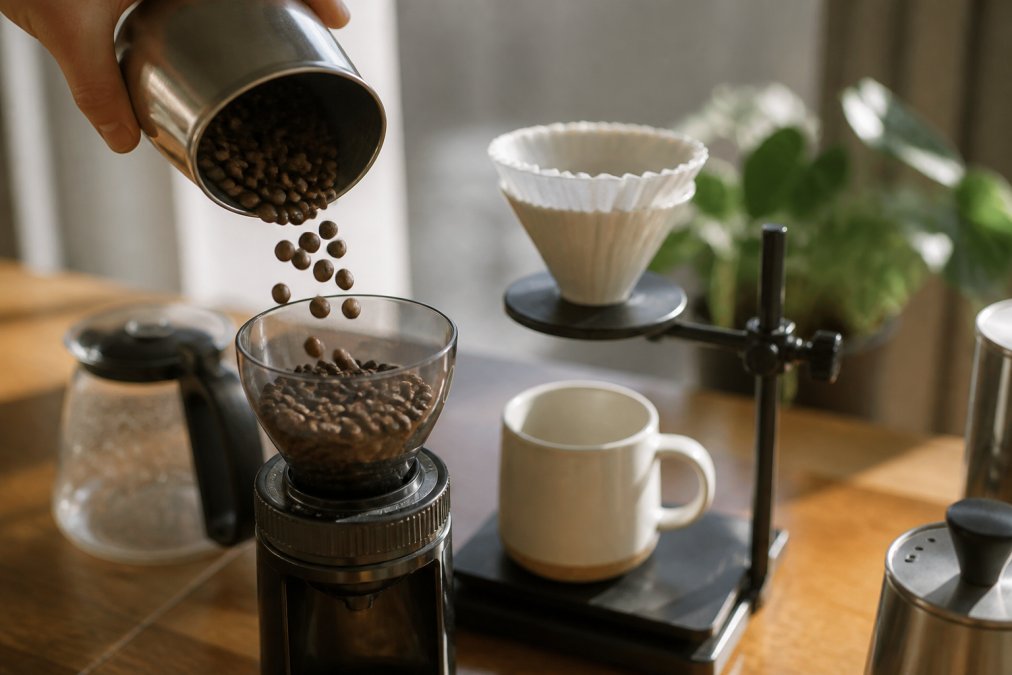
Grinding for Flavor Clarity
Grind size determines extraction speed. For single origins, consistency matters more than coarseness or fineness. Use a burr grinder, not a blade grinder. Burr grinders produce uniform particles. Blade grinders create dust and chunks, which leads to uneven extraction.
For pour-over methods, aim for medium-fine grind. For French press, use coarse grind. For espresso, go fine. The key is matching grind size to your brewing method.
Grind immediately before brewing.
Water Temperature and Extraction
Water temperature controls extraction speed. Too hot (above 205°F) over-extracts, creating bitter, harsh flavors. Too cool (below 195°F) under-extracts, leaving the cup sour and thin.
Brewing Methods That Highlight Single Origin Character
Pour-over and French press are ideal for beginners. Both let you control variables easily. Espresso requires expensive equipment and steep learning curve, skip it until you've mastered simpler methods.
Start Your Journey: The Single Origin Favorites Sample Pack
The Single Origin Favorites Sample Pack from Far Destinations Coffee includes six 2-ounce samples: Brazil Santos, Colombia, Costa Rica, Ethiopia, Honduras, and Tanzania. At $24.99, it's a practical entry point for beginners.

Understanding Flavor Profiles and Tasting Notes
Tasting notes describe what you should taste, not what's actually in the coffee. When a label says "notes of chocolate," it means the flavor compounds in that bean create a chocolate-like sensation. There's no actual chocolate added.
Frequently Asked Questions
What type of coffee beans are best for beginners?
Single origin beans with medium roasts offer the clearest flavor profiles for newcomers. Look for beans with balanced acidity and body, like Colombia or Brazil Santos. These provide smooth, approachable tastes without overwhelming complexity. The Single Origin Favorites Sample Pack lets you try six different origins in small 2oz portions, so you can discover your preference without committing to full bags.
How does single origin coffee differ from a coffee blend?
Single origin beans come from one specific farm, region, or country, creating distinct, traceable flavor profiles shaped by altitude, soil, and processing method. Blends mix beans from multiple origins to create consistency and balance across batches. Single origins highlight the unique characteristics of their growing environment, while blends are designed for smoothness and predictability. For beginners learning to taste coffee, single origins make it easier to identify specific flavors like citrus, chocolate, or floral notes.
What is the best brewing method for tasting single origin coffee?
Pour-over methods like Chemex or V60, or a French press, work best for single origin beans because they allow you to control extraction and water temperature precisely. Use medium grind size, water between 195-205°F, and brew for 3-4 minutes. These methods highlight the subtle tasting notes and acidity that make single origins special. Drip machines work too, but manual brewing gives you more control to explore what makes each origin unique.
Are single origin beans more expensive than regular coffee?
Single origin specialty beans typically cost more than grocery store coffee, but Far Destinations Coffee prices individual origins at $22.99, comparable to quality specialty roasters. The difference comes from traceability, fresh roasting, and direct relationships with farms. Many beginners find the taste improvement worth the investment, especially when starting with a sample pack at $24.99 to explore multiple origins before committing to full bags.