

Best Single Origin Beans for Drip Machines
Table of Contents
- Why Single Origin Beans Matter for Drip Machines
- Understanding Roast Profiles: Light vs. Medium vs. Dark for Drip Brewing
- Best Light Roast Single Origin Beans for Clarity and Acidity
- Medium Roast Single Origins: Versatility Across Drip Machines
- Best Coffee Bean Grind Size for Automatic Drip
- How to Brew Single Origin Coffee at Home
- Ethical Sourcing and Transparency
- Cost-Per-Cup Analysis: Value in Single Origin Beans
- Frequently Asked Questions
Last Updated: October 4, 2026
Why Single Origin Beans Matter for Drip Machines
The best single origin beans for drip machines deliver distinct flavor profiles that automatic drip machines can actually showcase. Unlike blends that mask inconsistencies through mixing, single-origin coffee forces you to dial in the fundamentals: water temperature, grind size, and brew ratio. Get those right, and a quality single-origin bean becomes the star of your morning cup.
Single-origin beans taste like somewhere. An Ethiopian natural process bean tastes fundamentally different from a Guatemalan washed bean, a difference that matters most in equipment designed to extract slowly and evenly, like a drip machine.
Most home brewers assume single-origin beans require expensive espresso machines or pour-over precision. A standard automatic drip machine can extract the subtle notes and acidity that make single-origin coffee worth the investment, the key is understanding roast profile, grind consistency, and water quality.
Far Destinations Coffee sources single-origin beans from trusted farms worldwide and roasts them to bring out their natural flavor, aroma, and character. Below, we'll walk you through the best single-origin options, how to brew them correctly, and why freshness and transparency matter.
Understanding Roast Profiles: Light vs. Medium vs. Dark for Drip Brewing
Roast profile determines how much origin flavor survives extraction. Light roasts preserve acidity and floral notes; medium roasts balance origin character with sweetness; dark roasts emphasize body while muting the subtle flavors that make single-origin coffee special.
For drip machines, medium roasts are the sweet spot, they extract cleanly and showcase enough origin character to justify the premium price. Light roasts work beautifully for bright, acidic cups; dark roasts are forgiving but waste the unique qualities that make single-origin beans worth buying.
Roast date matters as much as roast profile. Beans peak 5-14 days after roasting and fade after 30 days. Check the bag for roast date before buying; beans older than 60 days have lost significant flavor.
Drip machines brew slowly, extracting more from the bean than espresso machines. This lets you use lighter roasts without under-extracting, but over-extraction can turn brightness into harshness. The solution is consistent grind size and water temperature.
Best Light Roast Single Origin Beans for Clarity and Acidity
Light roasts shine in drip machines because the longer extraction time pulls out floral and fruity notes without pushing into bitter territory. These beans cost more per pound but deliver complexity that justifies the price.
Ethiopia Natural: Fruity and Delicate
Ethiopia Natural ($22.99) represents what a light roast can do. The natural process creates fruity, caramel-forward notes with milk chocolate undertones. Ethiopian naturals are polarizing, some love the fruity complexity, others find them funky, but the flavor is approachable enough that small brewing mistakes won't ruin the cup.
Uganda: Floral and Balanced
Uganda ($22.99) brings floral and chocolate notes with dark fruit undertones. The washed, sun-dried process creates a cleaner cup than natural processing. At 1,500-2,500 meters altitude, it offers brightness and acidity without the fruity intensity of naturals.
Medium Roast Single Origins: Versatility Across Drip Machines
Medium roasts are the best single origin beans for drip machines because they balance origin flavor with approachability. You get distinct tasting notes without the extraction challenges of light roasts or the muted character of dark roasts.
Peru: Smooth and Sweet
Peru ($22.99) delivers salted caramel, silky sweetness, and citrus. The medium roast brings out natural sweetness without darkening into chocolate. This is the bean to buy if you're new to single-origin coffee, it's forgiving and doesn't require perfect technique.
Guatemala: Chocolate and Fruit Balance
Guatemala ($22.99) combines dark chocolate, bright fruit, and butterscotch. The volcanic loam soil creates beans with natural sweetness and body.
Costa Rica: Bright and Floral
Costa Rica ($22.99) offers sweet apple, raisin, and honey notes with subtle floral character.
Colombia: Dried Fruit and Chocolate
Colombia ($22.99) brings dried orange, berry, and chocolate notes. Solar drying preserves the clean, fruit-forward profile.
Nicaragua: Cocoa and Citrus
Nicaragua ($22.99) delivers cocoa, floral, and citrus tones. The medium roast brings out cocoa while preserving citrus brightness. If you prefer a cleaner, brighter cup, this is your pick.
Brazil Santos: Smooth and Elegant
Brazil Santos ($22.99) is smooth with cocoa notes and elegant mouthfeel. The pulped natural process creates a cup between washed and natural. Brazilian beans are forgiving and hard to ruin.
Mexico: Balanced Chocolate and Spice
Mexico ($22.99) balances chocolate, cinnamon, and green apple. The medium roast emphasizes chocolate and spice while preserving green apple acidity. If you prefer a smoother, less acidic cup, this is your option.
Papua New Guinea: Caramel and Honey
Papua New Guinea ($22.99) offers caramel, honey, and fruit notes. The flavor profile is distinct enough to be interesting but approachable enough for daily drinking.
| Origin | Roast Level | Tasting Profile | Best For | Price |
|---|---|---|---|---|
| Ethiopia Natural | Med-Light | Fruity, Caramel, Milk Chocolate | Adventurous palates | $22.99 |
| Uganda | Light | Floral, Chocolate, Dark Fruit | Balanced brightness | $22.99 |
| Peru | Medium | Salted Caramel, Citrus, Sweet | Beginners & daily drinking | $22.99 |
| Guatemala | Medium | Dark Chocolate, Bright Fruit, Butterscotch | Balanced complexity | $22.99 |
| Costa Rica | Medium | Sweet Apple, Raisin, Honey | Bright & clean preference | $22.99 |
| Colombia | Medium | Dried Orange, Berry, Chocolate | Versatile brewing | $22.99 |
| Nicaragua | Medium | Cocoa, Floral, Citrus | Clean, bright cups | $22.99 |
| Brazil Santos | Medium | Cocoa, Smooth, Elegant | Forgiving & safe | $22.99 |
| Mexico | Medium | Chocolate, Cinnamon, Green Apple | Low-acidity preference | $22.99 |
| Papua New Guinea | Medium | Caramel, Honey, Fruit | Underrated complexity | $22.99 |
Best Coffee Bean Grind Size for Automatic Drip
Grind size is the most important variable you control. For drip machines, use a medium-fine grind (sand texture, not powder). Burr grinders produce consistent particle size; blade grinders create uneven extraction. Grind immediately before brewing, ground coffee loses volatile compounds within minutes. Light roasts need slightly finer grinding than dark roasts.

How to Brew Single Origin Coffee at Home
Brewing single-origin coffee correctly means controlling three variables: water temperature, water-to-coffee ratio, and contact time. Get these right, and even a basic drip machine will extract the subtle flavors that make single-origin beans worth buying.
Water Temperature and Extraction
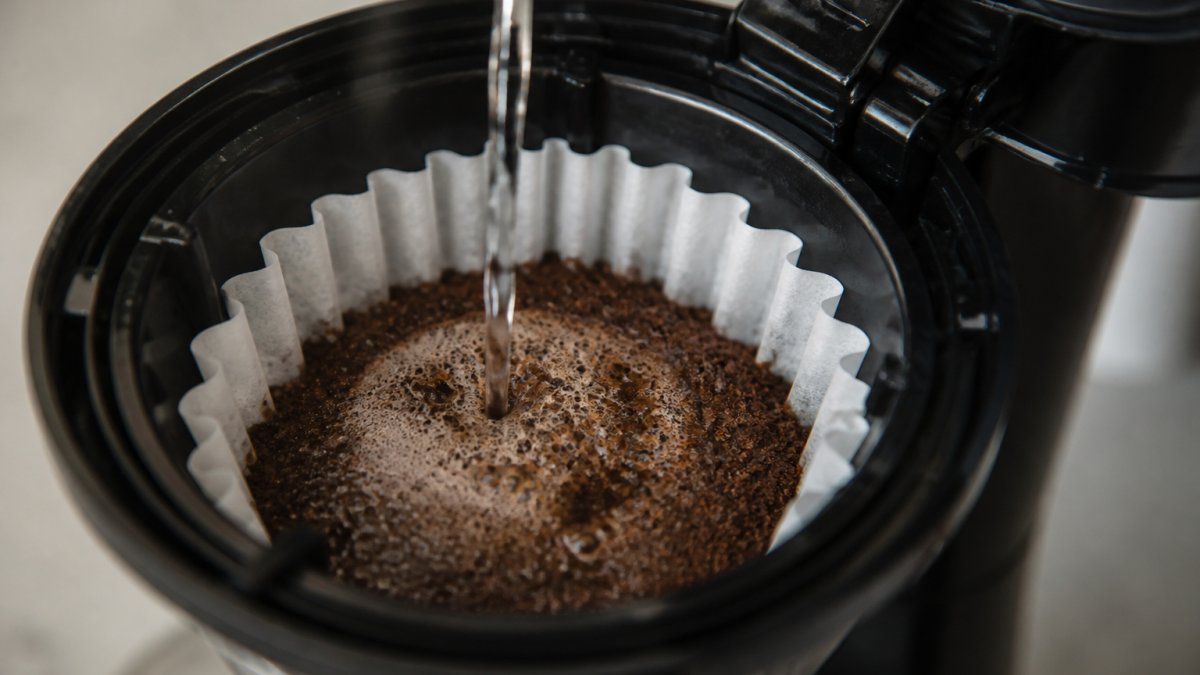
The ideal water temperature is 195-205°F. Most automatic drip machines heat to 200°F, which is perfect.
Water-to-Coffee Ratio for Consistency
Use a 1:16 ratio (one part coffee to 16 parts water by weight). Measuring by weight is more accurate than by volume.
Freshness and Roast Date Impact
Coffee peaks in flavor 5-14 days after roasting. At 30 days, it's noticeably flatter. At 60 days, the flavor has faded significantly. Roast date is printed on every Far Destinations Coffee bag.
Store beans in an airtight container away from heat and light. Room temperature in a dark cabinet is fine.
Whole beans stay fresh longer than ground coffee.
Freshness is the single biggest factor in coffee quality. A fresh, mediocre bean tastes better than a stale, excellent bean. Check the roast date before buying.
Ethical Sourcing and Transparency
Every Far Destinations Coffee bean comes with information about the grower, the region, the altitude, the soil type, and the processing method. This transparency matters because it connects you to the people who grew the beans.
Ethical sourcing means fair prices for farmers. It means environmental practices that protect the land. It means traceability, knowing exactly where your beans came from.
The best way to verify ethical sourcing is through direct relationships. Far Destinations Coffee works with smallholder farmers and cooperatives, not large commodity traders. The grower names and regions are printed on the bag.
Certified organic and fair trade labels add credibility, but they're not required for ethical sourcing. What matters is transparency.
Cost-Per-Cup Analysis: Value in Single Origin Beans
Single-origin beans from Far Destinations Coffee cost $22.99 per bag. A typical bag contains 12 ounces.
At the 1:16 ratio, one bag makes about 16 cups. That's $1.44 per cup.
The value increases as you dial in your brewing technique. A mediocre cup from a $25 bag wastes money. A great cup from the same bag justifies the cost.
The freshness advantage is real. Far Destinations Coffee ships beans within days of roasting.
Choosing the best single-origin beans for your drip machine comes down to understanding your preferences and controlling the variables you can influence. Start with a medium roast like Peru or Guatemala if you're new to single-origin coffee. Invest in a burr grinder and measure your water by weight. Check the roast date and brew within 30 days of roasting.

Far Destinations Coffee delivers single-origin beans roasted to bring out their natural flavor, aroma, and character. Every bag includes the grower's name, the altitude, the processing method, and the tasting profile. That transparency lets you understand exactly what you're buying. Get started with Far Destinations Coffee and discover how much flavor a basic drip machine can actually extract.
Frequently Asked Questions
What makes single origin beans better for drip machines than blends?
Single origin beans showcase distinct flavor profiles from their specific growing region, altitude, and processing method. In a drip machine, these characteristics remain clear because the slower extraction preserves the bean's natural acidity, body, and tasting notes. Blends combine beans from multiple origins, which can mask individual flavor expressions. For drip brewing, single origins deliver more pronounced flavors like floral, fruity, or chocolate notes that make each cup distinctive.
How do I choose between light roast and medium roast single origin beans?
Light roast single origin beans preserve more acidity and highlight the bean's origin characteristics, making them ideal if you want to taste regional flavors clearly. Medium roast balances origin flavors with roasted notes like chocolate or caramel, offering versatility across different palates. For automatic drip machines, medium roast tends to perform more consistently because the slower extraction rate suits the slightly denser bean structure. Light roasts work well if your drip machine maintains precise brewing temperatures.
What is the best coffee bean grind size for automatic drip machines?
Medium grind is optimal for automatic drip machines. It allows water to extract flavors evenly without over-extracting (which causes bitterness) or under-extracting (which causes flat, weak coffee). The grind should resemble coarse sand. Consistency matters more than exact size, so invest in a burr grinder rather than a blade grinder. For single origin beans, uniform grind size preserves the distinct tasting notes you're paying for, ensuring each cup delivers the full flavor profile.
How fresh do single origin beans need to be for drip machines?
Single origin beans taste best within 2-4 weeks of the roast date. Check the roast date on the bag before purchasing. Beans begin losing flavor and aroma after this window as oils oxidize and compounds degrade. For drip machines, freshness is critical because the slower extraction method depends on volatile compounds that fade over time. Stale beans produce flat, muted flavors even in a quality drip machine. Store beans in an airtight container away from heat and light to extend freshness.
Can I return or exchange single origin beans if they don't match my taste preferences?
Taste preferences vary by individual palate, and single origin beans showcase distinct regional flavors that may differ from what you're accustomed to. Before committing to a larger purchase, consider ordering a single bag to sample. Understanding your preferred flavor profile, fruity, chocolatey, floral, or balanced, helps you select origins that align with your palate.