

Buy Freshly Roasted Single Origin Coffee Online
Table of Contents
- What Makes Freshly Roasted Single Origin Coffee Different
- Single Origin vs Blend Coffee: Why the Distinction Matters
- The Coffee Roast Date Importance and How to Verify It
- How to Store Coffee to Keep Freshness After Purchase
- Sourcing Transparency: What Fair Trade and Sustainably Sourced Really Mean
- Finding Quality Single Origin Coffee Online: What to Look For
- Frequently Asked Questions
Last Updated: September 18, 2026
What Makes Freshly Roasted Single Origin Coffee Different
Freshly roasted single origin coffee represents a fundamentally different approach to how coffee reaches your cup. Unlike blended coffees that combine beans from multiple regions to create consistency, single origin beans come from one specific farm, cooperative, or micro-lot, preserving the distinct characteristics of that particular terroir.

The difference becomes apparent the moment you brew it. Single origin coffees express the altitude where they grew, the soil composition, the processing method used by the farmer, and the exact roast date applied by the roaster. A medium roast Ethiopian bean tastes nothing like a medium roast Colombian bean, even though both went through identical roasting temperatures. That's the power of single origin sourcing.
At Far Destinations Coffee, we focus on single origin selections because they tell a story. You're not getting a generic "medium roast", you're getting beans from the Sidama zone of Ethiopia with specific tasting notes of milk chocolate, fruity, and caramel, or beans from Medellin, Colombia with dried orange, berry, and chocolate characteristics. This transparency matters when you're investing in quality coffee for your daily ritual.
The freshness factor compounds this advantage. Most coffee you find in grocery stores was roasted weeks or months ago. Freshly roasted single origin coffee arrives at your door days after roasting, when the beans are still in their optimal flavor window. The volatile compounds that create complexity and brightness haven't yet faded into staleness.
Single Origin vs Blend Coffee: Why the Distinction Matters
Single origin coffee and blended coffee serve different purposes, and understanding the distinction helps you choose what actually matches your goals.
Blended coffees combine beans from multiple origins to achieve consistency and balance. A roaster might blend a bright African bean with a heavier-bodied South American bean to create a middle-ground flavor profile that appeals to broad audiences. This approach ensures every bag tastes the same, predictability is the goal. Most commercial coffee operates this way because consistency drives repeat purchases.
Single origin coffee embraces variability. The same farm's beans can taste different year to year based on rainfall, temperature, and harvest timing. A single origin approach says: this is what this specific place produced this specific season, and we're celebrating that rather than masking it.
For home brewers, the choice depends on what you value. If you want reliable, familiar flavor every morning, blends deliver that. If you want to explore distinct flavor profiles and understand how geography shapes taste, single origin is the path. Many enthusiasts rotate through different single origins, treating each as an exploration rather than a daily staple.
The brewing experience also differs. Single origin coffees often demand more attention to water temperature and brew time because their flavor profiles are more pronounced. A blend is engineered to forgive slight variations in technique. With single origin, dialing in your grind and water chemistry actually matters, which is why this category attracts home brewers willing to invest in their process.
The Coffee Roast Date Importance and How to Verify It
The roast date is the single most critical piece of information on a coffee bag, yet most consumers never check it. This date tells you everything about whether the coffee is actually fresh.
Coffee begins to stale immediately after roasting. The roasting process heats the beans to 400+ degrees Fahrenheit, triggering chemical reactions that create flavor compounds. Once cooling begins, oxidation starts. Within days, the most volatile and delicate aromatics begin to fade. After two weeks, the coffee tastes noticeably duller. After a month, it's past its prime window for specialty brewing.
When you buy freshly roasted single origin coffee online, the roast date should be printed clearly on the bag, not hidden or omitted. Reputable roasters print this date because it's a mark of quality. If a roaster doesn't print the roast date, that's a red flag. They may be selling coffee that's weeks or months old.
To verify freshness, look for these markers:
- Roast date printed on the bag in a clear format (Month/Day/Year)
- Shipping within 3-5 days of roasting, check the order confirmation to see when it shipped relative to the roast date
- Arrival within 7-10 days, use the tracking information to confirm delivery timeline
- Bag degassing valve present, this one-way valve lets CO2 escape without letting oxygen in, which extends the optimal flavor window
Far Destinations Coffee includes the roast date on every bag and ships within days of roasting.
Single Origin Favorites Sample Pack →
How to Store Coffee to Keep Freshness After Purchase
Storage is where most home brewers accidentally sabotage their investment. Freshly roasted single origin coffee requires specific conditions to maintain quality after it arrives.
The enemies of coffee freshness are heat, light, oxygen, and moisture. Each one degrades the beans in different ways. Heat accelerates oxidation. Light triggers photochemical reactions that break down flavor compounds. Oxygen directly oxidizes the coffee. Moisture causes the beans to absorb flavors from their environment and can promote mold growth.
The best storage method is straightforward: keep whole beans in an airtight container away from direct sunlight and heat sources.
Here's what works in practice:
- Airtight container, use a glass jar with a tight seal or a dedicated coffee canister with a one-way degassing valve. Avoid clear containers if possible; opaque is better.
- Cool, dark location, a pantry, cabinet, or drawer away from the stove or direct sunlight. Room temperature (65-70°F) is ideal. Never store coffee in the refrigerator or freezer; condensation forms when you open the container, introducing moisture.
- Keep the original bag if it has a valve, the degassing valve is designed for this. If you transfer beans, you lose that protection.
- Grind immediately before brewing, whole beans stay fresh longer than ground coffee. Ground coffee has exponentially more surface area exposed to oxygen, so it stales within days.
- Buy smaller quantities more frequently, a half-pound bag consumed within two weeks stays fresher than a two-pound bag consumed over two months.
The common mistake is storing coffee in the freezer thinking cold preserves it. This backfires. Every time you open the freezer, warm air enters and melts a thin layer of ice on the beans. When you close it, that moisture refreezes. This cycle introduces water directly into the beans, degrading flavor and potentially promoting mold. Room temperature storage in an airtight container outperforms freezer storage every time.
| Storage Method | Freshness Duration | Best For |
|---|---|---|
| Airtight container, room temperature | 2-3 weeks | Optimal for freshly roasted single origin |
| Original bag with valve, pantry | 2-3 weeks | Convenient if not transferred |
| Freezer (not recommended) | 1-2 weeks | Only if you have no other option |
| Fridge (not recommended) | 1-2 weeks | Condensation damage makes this poor choice |
Sourcing Transparency: What Fair Trade and Sustainably Sourced Really Mean
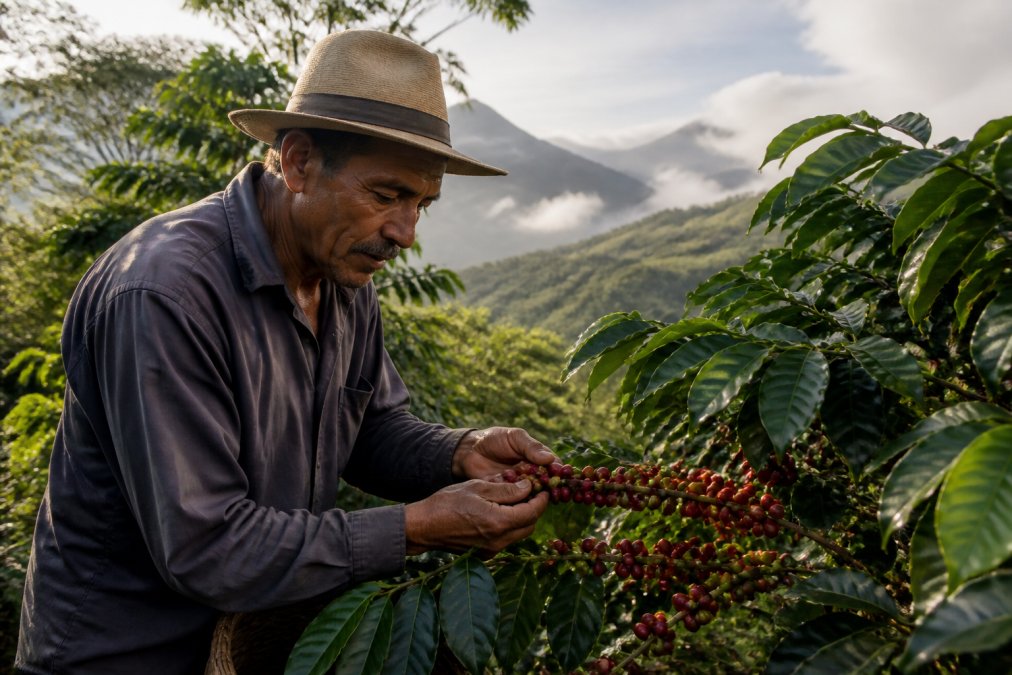
These terms get thrown around in specialty coffee marketing, but they mean very different things, and understanding the distinction matters when you're evaluating whether a roaster actually walks the walk.
Fair Trade certification comes from third-party organizations that verify farmers receive minimum prices for their beans, typically above commodity market rates. The certification ensures a baseline of labor standards and environmental practices. However, Fair Trade is a floor, not a ceiling. A Fair Trade coffee meets minimum standards but doesn't necessarily represent exceptional quality or exceptional farmer treatment.
Sustainably sourced is broader and vaguer. It typically means the coffee was grown using practices that don't degrade the environment, shade-grown rather than sun-grown, minimal pesticide use, water conservation methods. But "sustainably sourced" lacks standardized certification in many cases. Some roasters use it to mean simply that they know their farmers and believe in their practices. Others use it as marketing language without verification.
The real transparency comes from traceability.
Finding Quality Single Origin Coffee Online: What to Look For
When you're buying freshly roasted single origin coffee online, several signals separate quality roasters from mediocre ones.
Frequently Asked Questions
What does single origin coffee mean?
Single origin coffee comes from one specific country, region, or farm, rather than a blend of beans from multiple sources. This allows you to taste the distinct characteristics of that location's climate, altitude, soil, and processing methods. For example, Ethiopian coffees often have fruity and floral notes, while Brazilian beans typically offer chocolate and cocoa flavors. Single origin beans give you a direct connection to their source and the farmers who grew them.
How can you tell if coffee beans are freshly roasted?
The roast date printed on the bag is your primary indicator. Beans roasted within the past 2-4 weeks deliver peak flavor and aroma. Look for bags that clearly display the roast date rather than just an expiration date. Freshly roasted beans also release more carbon dioxide, which creates a fuller crema in espresso and richer extraction in other brewing methods. If a retailer won't show you the roast date, that's a red flag.
How long does freshly roasted coffee stay fresh?
Freshly roasted coffee is optimal for drinking within 2-4 weeks of the roast date. After that window, the beans gradually lose their complexity and vibrant flavors. Whole beans last longer than ground coffee because grinding increases surface area and speeds oxidation.
Why is single origin coffee more expensive than blends?
Single origin beans cost more because they require careful sourcing from specific farms, often at higher altitudes where quality improves. The supply is more limited than blended coffee, which can combine beans from many sources. Additionally, specialty roasters invest in direct relationships with farmers, ensuring fair pricing and ethical practices. You're paying for traceability, consistency, and the skill required to highlight each origin's unique flavor profile rather than masking variations with a blend.